
Solar panel recycling line 500 kg/h

Do you need to process 500 kg of photovoltaic panels per hour, but you still don't know which technology to choose?

A solar panel recycling line of 500 kg/h may incorporate mechanical separation, batch pyrolysis or continuous heat treatment.

The choice depends on the type of module, the available supply and the materials you want to recover.

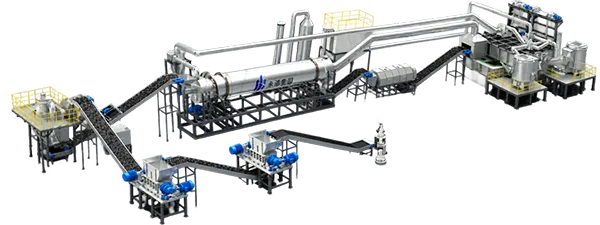
At Yushunxin we design recycling solutions that integrate pretreatment, separation of materials and environmental control systems for projects
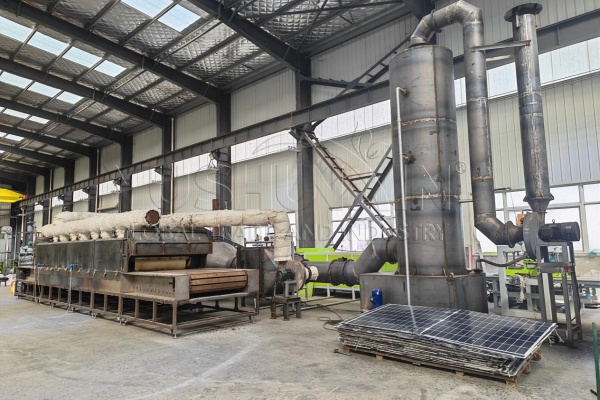
Environmentally friendly recycling of photovoltaic panels

What photovoltaic panels can a solar installation process? 500 kg/h?

Before selecting machinery, It is important to identify the structure, he origin and status of modules. Even if two lots weigh the same, may require different operations. That's why, An initial classification helps to size each stage.
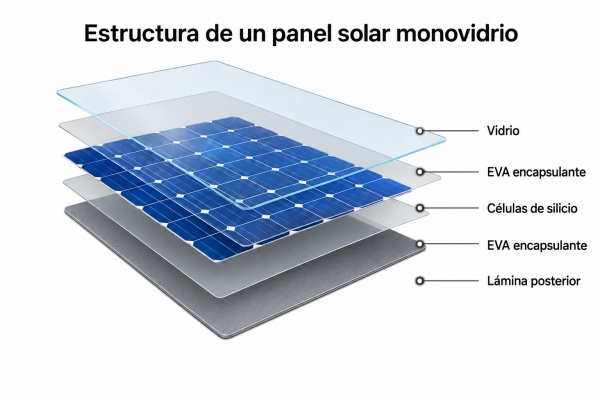
Single Glass Photovoltaic Panels

Glass panels and backsheet

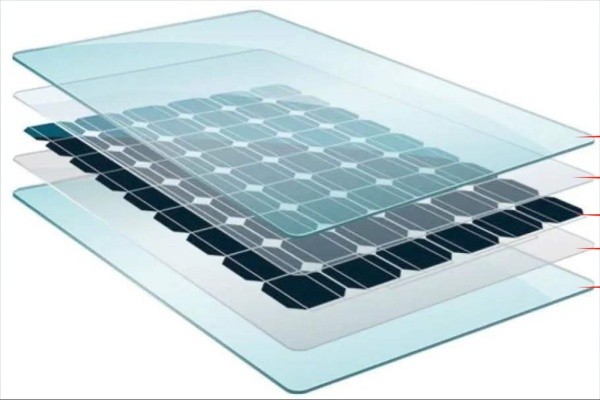
These modules incorporate front glass, silicon cells and a polymer backsheet.
They may come from retired solar installations, equipment replacements or manufacturing rejections.
When its structure allows the front glass to be removed, can evaluate a mechanical solution with subsequent separation.
However, You can also use a thermal process if you are looking for another quality of separation.

Double glass modules

These plates incorporate two layers of glass that protect the photovoltaic cells..
Therefore, conventional mechanical separation of the front glass may be insufficient.
Controlled pyrolysis allows the encapsulants to be degraded and facilitates the subsequent separation of the components.
Nevertheless, You must first check the condition of the glass and the composition of the module.
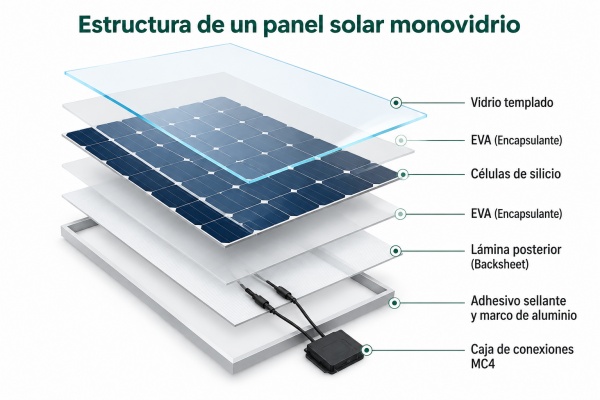
Double glass photovoltaic panels
Mixed batches and damaged panels

Mixed batches and damaged panels

If you receive modules from different manufacturers, sizes or structures, will need additional sorting.
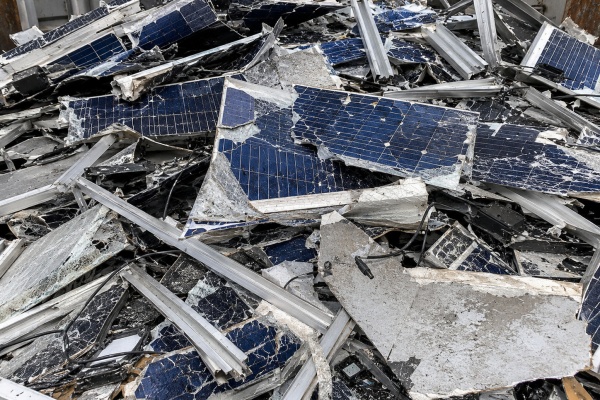
Broken panels may also require changes in feeding and transportation.
Besides, It is advisable to separate thin film modules from conventional crystalline silicon modules.

Raw material Features Treatment that you can value
Front glass and back sheet A glass face and polymer back Mechanical or thermal separation
Double glass Two layers of glass and encapsulant Heat treatment with subsequent classification
Mixture of both structures Thickness differences, size and composition Pyrolysis with pre-classification
Broken modules Fragments, broken glass and variable sizes Specific preparation before treatment
Manufacturing rejects Relatively uniform material, according to its origin Configuration according to structure and recovery objective

What operations does the pretreatment of solar panels need??

A small facility also needs to properly prepare its raw materials. If you remove accessible components before main treatment, can reduce unnecessary mixing. Besides, This preparation facilitates the differentiated recovery of metals, glass and other usable components.

Removal of frames and junction boxes

The process begins with the inspection and classification of the modules.
After, Operators or automated equipment remove aluminum frames and junction boxes.
This stage allows metal profiles to be recovered, cables and electrical components separately.
It also reduces the presence of foreign materials during subsequent treatment.

Preparation according to the chosen technology

In a mechanical configuration, The panels go to glass separation and then crushing.
thermal technology may require prior crushing to promote heat transfer.
However, some configurations support entire modules for certain recovery targets.
That's why, It is not advisable to define crushing without knowing the final product.

General preparation sequence:
Reception and classification → Inspection → Removal of connections → Disassembly of frames → Specific preparation → Main treatment

What recycling solution is best for a small plant?

The choice depends on the type of panel, the availability of raw materials and the materials you want to recover. For this capacity, You can choose three configurations with different feeding conditions, environmental separation and treatment.
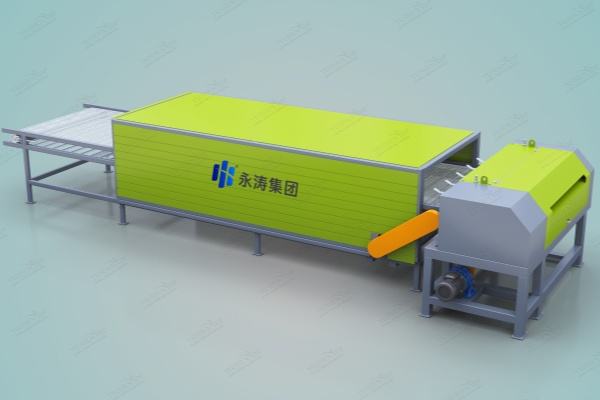
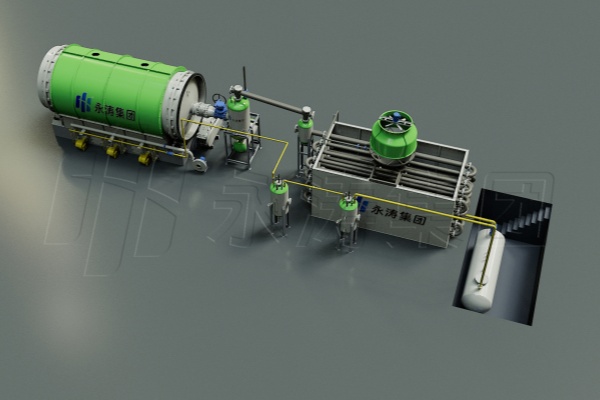
Mechanical separation for single glass panels

This alternative is suitable for front glass and backsheet modules with relatively uniform characteristics.
The process combines disassembly, glass separation, crushing and classification of materials. Some configurations use auxiliary heating to facilitate encapsulant removal.
This option allows the equipment to be adapted to the characteristics of the material. However, the configuration of 500 kg/h requires a specific technical evaluation.

Batch pyrolysis for variable raw materials

Batch pyrolysis allows treating differentiated loads of solar panels through controlled thermal cycles.
Heat decomposes the encapsulants and facilitates the subsequent separation of the materials. Besides, This configuration allows different batches to be studied without maintaining a continuous feed.
This solution can be interesting when the supply is variable. Nevertheless, You must calculate the capacity considering the complete cycle of each load.

Continuous tunnel oven for crystalline silicon modules

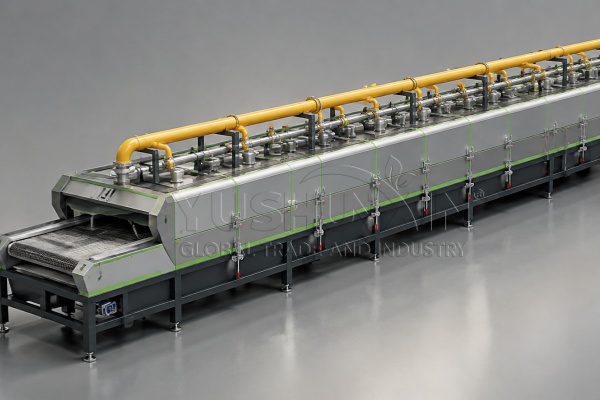
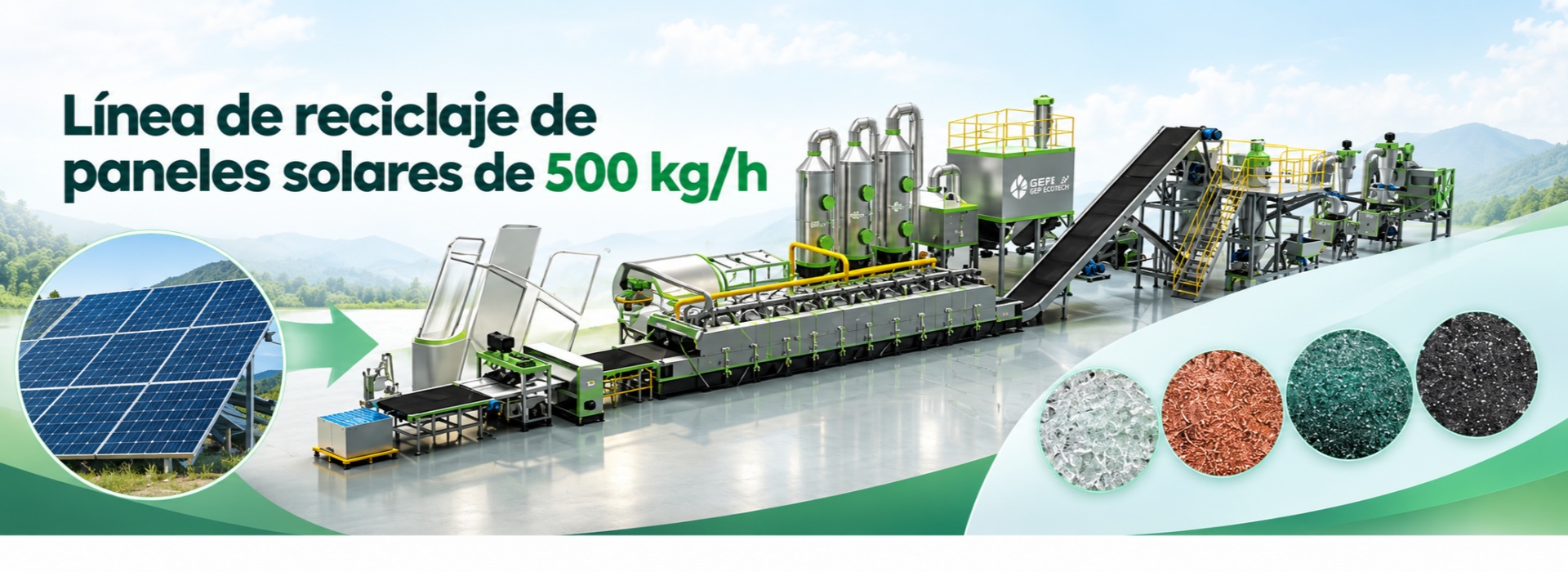
For projects with stable supply, Yushunxin offers the YSX-TK500 model, with a nominal capacity of 500 kg/h.
The system uses a continuous feed tunnel oven to break down the encapsulants. After, separation equipment classifies recoverable materials.
This configuration allows you to organize a continuous treatment. Besides, incorporates different control stages depending on the characteristics of the material.

How to choose between mechanical recycling and heat treatment?

Rated capacity alone does not determine the best solution. You also need to compare the regularity of feeding, glass quality and operating costs. An appropriate decision considers both the recovered fractions and the environmental obligations.

Criterion Mechanical separation Batch pyrolysis Continuous tunnel kiln
Raw material Mainly single glass Compatible lots of different structures Continuous Power Compatible Modules
Initial investment Depends on the separation equipment Depends on the reactor and the cycles Includes oven, transportation and purification
Operation Requires crushing and classification Works through charging cycles Need continuous supply
Space Depending on configuration Includes loading and unloading areas Requires longitudinal space
Environmental control Collection of dust and possible vapors Gas and waste treatment Continuous gas purification
Recommendation For uniform materials For variable supplies For stable feeding

If you are looking for glass with less encapsulant residue, it is advisable to evaluate the real quality through tests.
Instead, if you prioritize the cost of treatment, compare energy, maintenance, personnel and environmental consumables.
The best decision will depend on the results obtained with your raw material..

What materials can a photovoltaic plant of this capacity recover??

The value of the project does not depend solely on the tons processed. Purity also influences, the size and commercial output of each material. Therefore, It is advisable to define the expected products before selecting the final separation.

Recovered material Origin Important condition
Aluminum Module frames Presence of screws, adhesives and other metals
Glass Front cover and back glass Size, pollution and polymer waste
Copper Cables, connections and conductive tapes Separation from silicon and other materials
Silicon Photovoltaic cells Pureza, size and presence of metals
Fraction with silver Cell metallization Silver concentration and refining requirements
Polymers and waste Encapsulantes, sheets and heat treatment Composition and authorized destination

Can silver be recovered in the same facility?

The initial separation allows the concentration of cell components that contain silver. However,, obtaining high purity metallic silver requires additional operations.
These may include chemical treatments, metal separation and refining. That's why, It is advisable to distinguish the physical recovery of modules from the subsequent extraction of silver.
At Yushunxin we also develop equipment and solutions for later stages of recovery of valuable materials..

What space and services does a small solar recycling line need??

Before requesting a quote, It is advisable to calculate the available hours and the necessary infrastructure. A nominal capacity expresses the inflow under certain conditions..

Therefore, effective production depends on stops, feeding and maintenance.

Treatment capacity according to working hours

Hours of operation Theoretical input of modules
8 hours/day 4 tons/day
10 hours/day 5 tons/day
16 hours/day 8 tons/day
20 hours/day 10 tons/day

Before installing the equipment, you should check the available space, power supply and ventilation needs. In addition, the plant needs areas to receive panels, store recovered materials and perform maintenance tasks.

The final space will depend on the technology chosen and the auxiliary systems necessary..

These quantities represent a theoretical estimate for a continuous system with constant nominal power.
They do not include stops or reductions in performance.
For a batch installation, You must calculate production according to the complete duration of each cycle.

The design must reserve space for reception, classification, treatment, separation and storage.

It also needs access for maintenance and circulation of materials..
In thermal solutions, must evaluate fuel, electricity, refrigeration and gas treatment.

Mechanical configuration requires checking engines, ventilation, protection against dust and compressed air, depending on the equipment.
Besides, The final surface depends on the automation and the environmental system chosen.
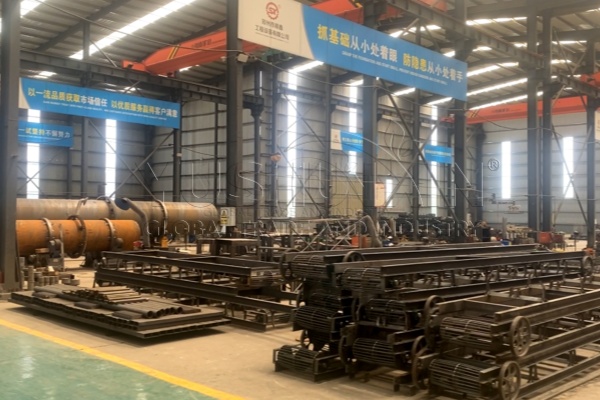
Photovoltaic panel recycling plant 500 kgh

What investment do you need to install a solar recycling line? 500 kg/h?

At Yushunxin we can study different configurations depending on your raw material., available space and planned budget.
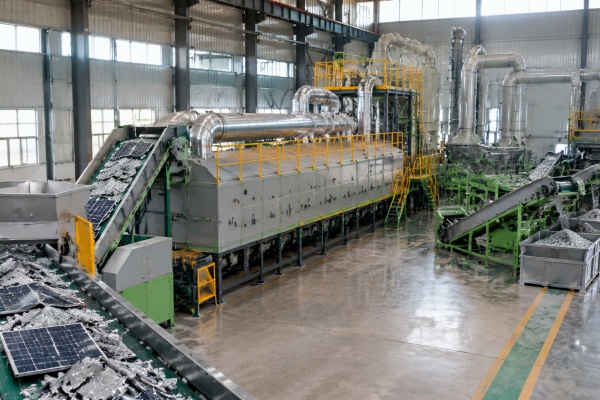
Photovoltaic panel recycling plant

To start a project of this capacity, It is advisable to differentiate the main equipment from the auxiliary systems.

The investment depends on the treatment selected, the conditions of the material and products you want to recover.

Besides, You must check if the proposal includes environmental purification, installation and commissioning.

The price depends on more than just the treatment capacity. Two installations with the same nominal flow can have different configurations. That's why, A useful quote should identify the equipment included and actual operating conditions.

Main factors of the quote

  • Type, dimensions and condition of the modules.

  • Proportion of single glass and double glass materials.

  • Main technology and necessary preparation.

  • Purity and shape of recovered materials.

  • Extraction system, purification and waste management.

  • Degree of automation and personnel needs.

  • Available area, electrical power and fuel.

  • Installation services, commissioning and training.

Frequently asked questions about the treatment of 500 kg/h of solar panels

Yeah, some thermal configurations allow working with both types of modules. However, You must first check its dimensions, state and encapsulants. Besides, pretreatment may change according to the characteristics of each batch.

Normally, This figure indicates the nominal power defined for the installation. It doesn't mean you will get 500 kg of marketable materials every hour. The final quantity depends on the composition, losses and separation efficiency.

The result depends on the encapsulant and the separation conditions. Heat treatments can facilitate the removal of polymers. Nevertheless, You should check the purity by testing and consider the buyer's requirements.

Yeah. Reduced capacity does not eliminate dust generation, vapors or residues. However, Purification technology and equipment must be adjusted to the real contaminants and the applicable regulations.

We need to know the types of panels, the quantity available, work hours and recovery goal. It is also advisable to receive photographs, dimensions and site data. With that information, we can study the configuration and the necessary auxiliary equipment.

Are you preparing a plant to process end-of-life solar modules? ?

At Yushunxin we can study a mechanical configuration, a batch thermal alternative or a continuous system, according to your needs.
Our team will analyze the raw material, the products you want to obtain and the installation conditions.
Send us the type of panel, the planned capacity, the country of the project and its recovery requirements.